
|
Thank you, from the BaitShop Boyz! |
Our Mexican Allies |
Post Reply 
|
| Author | ||||||||||||||||||||||||||||||||||||||||||||||||||||||||||||||||
Muleskinner 
.416 Rigby 

AKA The Crotchety ol’ Geezer Joined: 13 June 2003 Location: United States Status: Offline Points: 5285 |
 Post Options Post Options
 Thanks(0) Thanks(0)
 Quote Reply Quote Reply
 Topic: Our Mexican Allies Topic: Our Mexican AlliesPosted: 04 March 2010 at 23:19 |
|||||||||||||||||||||||||||||||||||||||||||||||||||||||||||||||
|
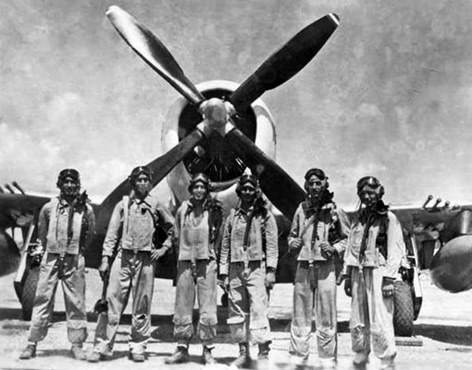
Remembering the "Aztec Eagles" |
||||||||||||||||||||||||||||||||||||||||||||||||||||||||||||||||
|
Mule
|
||||||||||||||||||||||||||||||||||||||||||||||||||||||||||||||||
 |
||||||||||||||||||||||||||||||||||||||||||||||||||||||||||||||||
|
Kingpin
.416 Rigby

aka Old IronSides Joined: 01 July 2003 Location: United States Status: Offline Points: 11716 |
Post Options
Thanks(0)
Quote Reply
Posted: 05 March 2010 at 04:33 |
|||||||||||||||||||||||||||||||||||||||||||||||||||||||||||||||
|
Mule, post some pics of those planes. I just gotta see this.........................Kingpin
|
||||||||||||||||||||||||||||||||||||||||||||||||||||||||||||||||
|
There are times when a normal man must, spit in his hands, hoist the black flag, and begin slitting throats.
|
||||||||||||||||||||||||||||||||||||||||||||||||||||||||||||||||
|
||||||||||||||||||||||||||||||||||||||||||||||||||||||||||||||||
|
Muleskinner
.416 Rigby
AKA The Crotchety ol’ Geezer Joined: 13 June 2003 Location: United States Status: Offline Points: 5285 |
Post Options
Thanks(0)
Quote Reply
Posted: 05 March 2010 at 11:41 |
|||||||||||||||||||||||||||||||||||||||||||||||||||||||||||||||
|
||||||||||||||||||||||||||||||||||||||||||||||||||||||||||||||||
|
Mule
|
||||||||||||||||||||||||||||||||||||||||||||||||||||||||||||||||
|
||||||||||||||||||||||||||||||||||||||||||||||||||||||||||||||||
|
Kingpin
.416 Rigby
aka Old IronSides Joined: 01 July 2003 Location: United States Status: Offline Points: 11716 |
Post Options
Thanks(0)
Quote Reply
Posted: 05 March 2010 at 12:13 |
|||||||||||||||||||||||||||||||||||||||||||||||||||||||||||||||
|
OK, I am impressed by the mexican airforce. They look formidable to me....LOL...........Kingpin
|
||||||||||||||||||||||||||||||||||||||||||||||||||||||||||||||||
|
There are times when a normal man must, spit in his hands, hoist the black flag, and begin slitting throats.
|
||||||||||||||||||||||||||||||||||||||||||||||||||||||||||||||||
|
||||||||||||||||||||||||||||||||||||||||||||||||||||||||||||||||
|
rivet
Left BSB in Disgrace 

Joined: 13 May 2009 Location: United States Status: Offline Points: 1017 |
Post Options
Thanks(0)
Quote Reply
Posted: 07 March 2010 at 15:09 |
|||||||||||||||||||||||||||||||||||||||||||||||||||||||||||||||
|
AARRRRIBAAAAH...Yah-Hah-Hah! Okay, Nosotros Mexicanos ayudaron durante la Guerra Mundial....que bien! Ahora que vamos a hacer ahora durante la guerra Islamofascistica? |
||||||||||||||||||||||||||||||||||||||||||||||||||||||||||||||||
 FIRE IS OUR FRIEND! FIRE IS OUR FRIEND!
|
||||||||||||||||||||||||||||||||||||||||||||||||||||||||||||||||
|
||||||||||||||||||||||||||||||||||||||||||||||||||||||||||||||||
|
CB900F
Administrator

Honor, Integrity Joined: 10 June 2003 Location: Eritrea Status: Offline Points: 8857 |
Post Options
Thanks(0)
Quote Reply
Posted: 07 March 2010 at 15:17 |
|||||||||||||||||||||||||||||||||||||||||||||||||||||||||||||||
|
Kingpin; Here ya go. Affectionately nicknamed "Jug," the P-47 was one of the most famous AAF fighter planes of WW II. Although originally conceived as a lightweight interceptor, the P-47 developed as a heavyweight fighter and made its first flight on May 6, 1941. The first production model was delivered to the AAF in March 1942, and in April 1943 the Thunderbolt flew its first combat mission--a sweep over Western Europe. Used as both a high-altitude escort fighter and a low-level fighter-bomber, the P-47 quickly gained a reputation for ruggedness. Its sturdy construction and air-cooled radial engine enabled the Thunderbolt to absorb severe battle damage and keep flying. During WW II, the P-47 served in almost every active war theater and in the forces of several Allied nations. By the end of WW II, more than 15,600 Thunderbolts had been built. HistoryThe Thunderbolt was the most famous of all the Republic aircraft in WWII. First flown on 6 May 1941, the P-47 was designed as a (then) large, high-performance fighter/bomber, utilizing the large Pratt and Whitney R-2800 Double Wasp engine to give it excellent performance and a large load-carrying capability. The first deliveries of the P-47 took place in June 1942, when the US Army Air Corps began flying it in the European Theater. 900F |
||||||||||||||||||||||||||||||||||||||||||||||||||||||||||||||||
|
Birth certificate!? He don't need no steenkink birth certificate!!
|
||||||||||||||||||||||||||||||||||||||||||||||||||||||||||||||||
|
||||||||||||||||||||||||||||||||||||||||||||||||||||||||||||||||
|
Muleskinner
.416 Rigby
AKA The Crotchety ol’ Geezer Joined: 13 June 2003 Location: United States Status: Offline Points: 5285 |
Post Options
Thanks(0)
Quote Reply
Posted: 08 March 2010 at 10:44 |
|||||||||||||||||||||||||||||||||||||||||||||||||||||||||||||||
|
No se, pero proablamente estan preocupado con la guerra contr las drugas que parece una guerra civil en su tierra de hogar. Quizas alguien en Mexico tiene bastante intellegencia que no empezar dos querras enjunta.
|
||||||||||||||||||||||||||||||||||||||||||||||||||||||||||||||||
|
Mule
|
||||||||||||||||||||||||||||||||||||||||||||||||||||||||||||||||
|
||||||||||||||||||||||||||||||||||||||||||||||||||||||||||||||||
|
Guests
Guest
|
Post Options
Thanks(0)
Quote Reply
Posted: 08 March 2010 at 10:56 |
|||||||||||||||||||||||||||||||||||||||||||||||||||||||||||||||
|
The P-47 was built in the USA Republic was in New York, long Island I believe). The pic posted is the one plane we gave them and the whole battle ready Mexican Air Force.

|
||||||||||||||||||||||||||||||||||||||||||||||||||||||||||||||||
|
||||||||||||||||||||||||||||||||||||||||||||||||||||||||||||||||
|
Kingpin
.416 Rigby
aka Old IronSides Joined: 01 July 2003 Location: United States Status: Offline Points: 11716 |
Post Options
Thanks(0)
Quote Reply
Posted: 08 March 2010 at 13:42 |
|||||||||||||||||||||||||||||||||||||||||||||||||||||||||||||||
|
That's what I was thinking too Bear.........................Kingpin
|
||||||||||||||||||||||||||||||||||||||||||||||||||||||||||||||||
|
There are times when a normal man must, spit in his hands, hoist the black flag, and begin slitting throats.
|
||||||||||||||||||||||||||||||||||||||||||||||||||||||||||||||||
|
||||||||||||||||||||||||||||||||||||||||||||||||||||||||||||||||
|
Kingpin
.416 Rigby
aka Old IronSides Joined: 01 July 2003 Location: United States Status: Offline Points: 11716 |
Post Options
Thanks(0)
Quote Reply
Posted: 08 March 2010 at 13:45 |
|||||||||||||||||||||||||||||||||||||||||||||||||||||||||||||||
[edit] Formation and trainingEscuadrón Aéreo de Pelea 201 (201st Air Fighter Squadron) was composed of more than 300 volunteers—30 experienced pilots and the rest ground crewmen. The ground crewmen were electricians, mechanics, and radiomen. Their formation was prompted by the attack by German submarines against Mexican oil tankers, Potrero del Llano and Faja de Oro, that were transporting crude oil to the United States. These attacks prompted President Manuel Avila Camacho to declare war on the Axis powers. The squadron left Mexico for training at the United States on July 24, 1944, arrived at Laredo, Texas, on July 25, and moved on to Randolph Field in San Antonio, where they received medical examinations and weapons and flight proficiency admission tests. They received three months of training at Randolph, Foster Army Air Field in Victoria, Texas, and Pocatello Army Air Base. The pilots received extensive training in armament, communications and tactics. 
They arrived at Majors Field in Greenville, Texas on November 30, 1944. Here, the pilots received advanced training in combat air tactics, formation flying and gunnery. The men were honored with graduation ceremonies on February 20, 1945 and presented with their battle flag. This marked the first time Mexican troops were trained for overseas combat. In charge of the group was Colonel Antonio Cárdenas Rodríguez, and Captain First Class Radamés Gaxiola Andrade was named squadron commander. Before leaving to the Philippines, the men received further instructions and physical examinations in Camp Stoneman in Pittsburg, California, in March 1945. The men left for the Philippines on the troop ship S.S. Fairisle on March 27, 1945. They arrived in Manila on April 30, 1945, and were assigned as part of the Fifth Air Force, attached to the U.S. 58th Fighter Group, based at Porac, Luzon. [edit] Combat operations
Beginning in June 1945, the squadron initially flew missions with the 310th Fighter Squadron, often twice a day, using borrowed U.S. aircraft. It received 25 new P-47D-30-RA aircraft in July, marked with the insignia of both the USAAF and Mexican Air Force. The squadron flew more than 90 combat missions, totaling more than 1,900 hours of flight time. They participated in the Allied effort to bomb Luzon and Formosa to push the Japanese out of those islands. During their fighting in the Philippines, five pilots died (one was shot down, one crashed, and three ran out of fuel and died at sea), and three others died in accidents during training. Among the missions flown by the squadron was 53 ground support missions flown in support of the U.S. 25th Infantry Division together with the Philippine Commonwealth Army forces in its break-out into the Cagayan Valley on Luzon between 4 June and 4 July 1945, 37 training missions flown 14 July–21 July 1945 (including missions of transporting new aircraft from Biak Island, New Guinea), four fighter sweeps over Formosa on 6 July–9 July 1945, and a dive bombing mission against the port of Karenko, Formosa, on 8 August. When the 201st deployed, no provision for replacement pilots had been made and the pilot losses incurred in the Philippines hampered its effectiveness. Mexican replacement pilots were rushed through familiarization training in the United States, and two more pilots died in flight accidents in Florida. When the 58th Fighter Group left the Philippines for Okinawa on July 10, the Mexicans stayed behind. They flew their last combat mission as a full squadron on August 26, escorting a convoy north of the Philippines. The 201st returned to Mexico City in November 1945. The 201st Fighter Squadron was commended by General Douglas MacArthur, but the FAEM was disbanded after returning from the Philippines. Escuadrón 201 is still an active duty squadron, flying the Pilatus PC-7 from Cozumel, Quintana Roo, and saw extensive counter-insurgency service during the 1994 uprising in Chiapas. [edit] Squadron pilots
Pilots marked with an asterisk (*) were killed during flying operations in the Philippines. |
||||||||||||||||||||||||||||||||||||||||||||||||||||||||||||||||
|
There are times when a normal man must, spit in his hands, hoist the black flag, and begin slitting throats.
|
||||||||||||||||||||||||||||||||||||||||||||||||||||||||||||||||
|
||||||||||||||||||||||||||||||||||||||||||||||||||||||||||||||||
|
Kingpin
.416 Rigby
aka Old IronSides Joined: 01 July 2003 Location: United States Status: Offline Points: 11716 |
Post Options
Thanks(0)
Quote Reply
Posted: 08 March 2010 at 13:50 |
|||||||||||||||||||||||||||||||||||||||||||||||||||||||||||||||
|
And for those who don't hables, to prove that I am not predjudiced..................................: Escuadrón 201De Wikipedia, la enciclopedia libre
Véase también: Fuerza Aérea Expedicionaria Mexicana
El Escuadrón 201, conocido como las Águilas Aztecas, fue una unidad mexicana de combate aéreo que participó en la Segunda Guerra Mundial. El escuadrón voló como anexo al Grupo 58 de combate de la 5a Fuerza Aérea del Ejército de los EE.UU. en la liberación de la isla madre de Luzón, Filipinas, durante el verano de 1945. El Escuadrón 201 sirvió con distinción en observaciones, bombardeos y ametrallamiento de posiciones japonesas, vehículos en convoy y emplazamientos de artillería en Filipinas y Formosa.
Provocación bélica [editar]Aunque a principios de la Segunda Guerra Mundial México mantenía su posición de neutralidad, en mayo de 1942, embarcaciones mexicanas que abastecían de petróleo a los Estados Unidos fueron atacadas en aguas del Golfo de México por submarinos alemanes que torpedearon y hundieron los buques petroleros: Potrero del Llano el 13 de mayo de 1942 frente a las costas de Florida, y durante el mismo año: el Faja de Oro, perpetrado el 20 de mayo; Túxpam, el 26 de junio; Las Choapas, el 27 de junio; Oaxaca, el 27 de julio; y el Amatlán, el 4 de septiembre. Debido a estos actos de agresión, el presidente de la república, General Manuel Ávila Camacho, declaró la guerra a Alemania, Japón e Italia. El gobierno mexicano, después de evaluar la situación económica y militar del país, determinó contribuir con el esfuerzo bélico aliado enviando un contingente cuya actuación fuese significativa, sin representar un alto costo humano y económico. Mientras tanto, en las ciudades mexicanas se hicieron simulacros de bombardeo, hubo apagones prolongados, se instituyó el Servicio Militar Nacional obligatorio y con Estados Unidos se pactó el envío de trabajadores mexicanos a los campos agrícolas y fábricas para compensar la falta de mano de obra debido al correspondiente reclutamiento estadounidense. Formación [editar]Por decreto presidencial, el 10 de febrero de 1944, el 'Arma de Aviación Militar' adquirió el carácter constitucional de 'Fuerza Armada', cambiando su nombre de 'Arma de Aviación Militar' a 'Fuerza Aérea Mexicana'.[1] El 8 de marzo de 1944, el presidente dio a conocer estas intenciones y durante el mes de julio se dispuso la formación del 'Grupo de Perfeccionamiento Aeronáutico', integrado por 299 elementos procedentes de diversas unidades y dependencias del ejército, incluyendo civiles del Departamento de Materiales de Guerra, para ser enviado a capacitarse a los Estados Unidos. Se trataba de una unidad pequeña, con gran potencia de fuego y casi autosuficiente. Naturalmente, se seleccionó a los mejores pilotos de la Fuerza Aérea para formar el escalón de vuelo de este grupo.[2] La unidad recibió entrenamiento en varias localidades de los Estados Unidos, principalmente en el campo aéreo de Greenville, Texas y en el de Pocatello, Idaho. Durante el adiestramiento, murieron dos pilotos en accidentes y fueron también excluídos 6 pilotos como resultado de los exámenes médicos, por lo que el escuadrón de pelea quedó integrado por 30 pilotos. En el 29 de diciembre de 1944, la Cámara de Senadores autorizó al presidente de la República el envío de tropas para combatir en el extranjero y se decidió que las fuerzas en adiestramiento en los EE.UU. se convirtieran en la Fuerza Aérea Expedicionaria Mexicana (FAEM), con lo que el Grupo de Perfeccionamiento Aeronáutico se transformó entonces en el Escuadrón de Pelea 201 de la FAEM. El escuadrón quedó encuadrado en la Fuerza Aérea de los Estados Unidos, aunque con mando y bandera propios. Enviados a Filipinas [editar]
El día 23 de febrero de 1945, el Escuadrón 201 se graduó como unidad de combate y fueron abanderados por el subsecretario de la Defensa Nacional, el General de División Francisco L. Urquizo.[3] El día 27 de marzo de 1945, la FAEM se embarcó en el buque Fairisle en el puerto de San Francisco y a las 18 horas partieron hacia el Lejano Oriente. El día primero de mayo la FAEM desembarcó en Manila, Filipinas. Fueron trasladados a la estación de Florida Blanca por tren y de ahí en camiones a la base aérea de Porac e integrados como parte del 58° Grupo de Pelea, mientras el grupo de comando de la FAEM se estableció en Fort Stotsenburg.[4] El 17 de mayo comenzaron los vuelos de entrenamiento previo al combate, que incluía familiarización con la zona de operaciones y procedimientos, pero existía el problema de que los 25 aviones P-47 Thunderbolt de la unidad no llegaban aún, por lo que se decidió asignar 18 aviones en préstamo al escuadrón, pertenecientes a los otros escuadrones del grupo.[5] Combates [editar]El Escuadrón 201 llevó a cabo su primera misión de combate de forma autónoma el 7 de junio del mismo año. Las órdenes asignadas al escuadrón mexicano fueron de dar apoyo a las tropas aliadas de tierra. Las misiones consistieron principalmente en incursiones de bombardeo y ametrallamiento sobre las posiciones japonesas establecidas en el norte y centro de Luzón y de reconocimiento armado sobre la isla de Formosa, hoy Taiwán. El Escuadrón 201 realizó 59 misiones en compañía de Aliados de la Segunda Guerra Mundial, lanzó 252 bombas de propósito general de 1000 libras y se dispararon 138,652 cartuchos de ametralladora calibre 0.50. El escuadrón mexicano sufrió la pérdida de cinco pilotos durante las acciones en el frente: El Capitán 2° Pablo Luis Rivas Martínez, los Tenientes José Espinosa Fuentes y Héctor Espinosa Galván, y los Subtenientes Fausto Vega Santander y Mario López Portillo. El Escuadrón 201 voló en conjunto un total de 1,966 horas en zonas de combate y lanzaron 252 bombas sobre blancos enemigos a lo largo de 59 misiones. Se preparaban para tomar parte de la invasión de Okinawa cuando llegó a su fin la guerra. La última misión se efectuó el 26 de agosto de 1945, poco antes de la firma de la rendición incondicional del Japón, el 1 de septiembre a bordo del USS Missouri, firma que atestigüaron representantes militares de países aliados, entre ellos el Coronel Cárdenas y el Capitán Gaxiola. Regreso a México [editar]Antes de regresar a México, en el 25 de septiembre, los miembros de la FAEM develaron un monumento a sus compañeros caídos; el monumento fue diseñado por el piloto Miguel Moreno Arreola y fue construido con la ayuda de 10 elementos del escuadrón. El águila que remata el monumento fue realizada por el escultor filipino Tolentino. El 12 de octubre, el Escuadrón entregó sus aviones al "Grupo de Servicios Aéreos 45" e iniciaron los preparativos para el regreso a México. Los integrantes de la FAEM abordaron el buque Sea Marlin el 23 de octubre, arribando el 13 de noviembre a San Pedro, California, aunque los primeros en llegar a América fueron el coronel Antonio Cárdenas, el teniente Amadeo Castro Almanza, el subteniente Guillermo García Ramos y el subteniente José Luís Pratt Ramos, quienes viajaron por la vía aérea tras entrevistarse en Tokio con el general MacArthur con el fin de agradecer su cooperación con la FAEM. En lo económico, la actuación de México en la Segunda Guerra Mundial, costó al país tres millones de dólares aproximadamente. Formar parte del bloque aliado hizo figurar a México entre las naciones victoriosas. Honores [editar]Los integrantes de la 'Fuerza Aérea Expedicionaria Mexicana' fueron premiados con ascenso al grado inmediato superior y la 'Medalla del Lejano Oriente', la 'Legión de Honor de México', la 'Medalla de la Liberación de la República Filipina' con gafete de Recomendación Presidencial, así como las condecoraciones estadounidenses 'Eficiencia del Ejército', 'Eficiencia de la Fuerza Aérea', 'Campaña de América', 'Campaña Asia-Pacífico' y 'Victoria de la Segunda Guerra Mundial'. Los pilotos recibieron además la 'Medalla del Aire' y el coronel Cárdenas y el capitán Gaxiola la 'Legión al Mérito'. Desde entonces, se han levantado monumentos y se han nombrado calles, vecindarios y escuelas en México en honor del Escuadrón 201. Mucho de los integrantes han pasado con éxito a otras carreras de la vida, algunos como líderes de la aviación civil o del Ejército Mexicano, otros como hombres de negocios, educadores e ingenieros; cinco de los pilotos llegaron a ser generales de la Fuerza Aérea Mexicana. Para los interesados, se recomienda visitar en el Bosque de Chapultepec en la Ciudad de México, el Mausoleo comemorativo del Escuadrón 201, cerca del monumento a los 'Niños Héroes'. Lista de pilotos [editar]
Véase también [editar] |
||||||||||||||||||||||||||||||||||||||||||||||||||||||||||||||||
|
There are times when a normal man must, spit in his hands, hoist the black flag, and begin slitting throats.
|
||||||||||||||||||||||||||||||||||||||||||||||||||||||||||||||||
|
||||||||||||||||||||||||||||||||||||||||||||||||||||||||||||||||
|
Post Reply
|
|
 Tweet
Tweet
|
| Forum Jump | Forum Permissions You cannot post new topics in this forum You cannot reply to topics in this forum You cannot delete your posts in this forum You cannot edit your posts in this forum You cannot create polls in this forum You cannot vote in polls in this forum |


 Topic Options